Guardian Matrix™
UGC Safety Intelligence
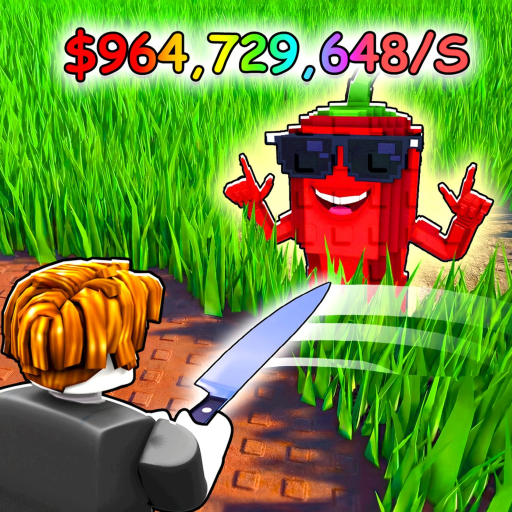
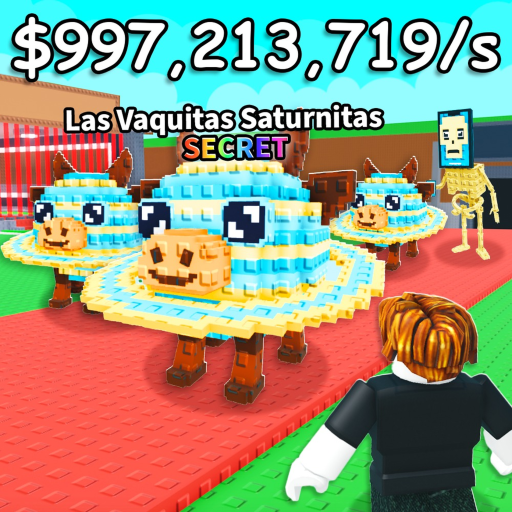
What is Steal a Brainrot?
Steal a Brainrot is a user-generated content (UGC) game where players collect and steal “Brainrots” from each other. The core gameplay loop involves purchasing Brainrots, which presumably generate in-game currency. Players then attempt to steal Brainrots from other players, likely through some form of in-game interaction or minigame. As players accumulate wealth, they can “Rebirth,” a mechanic commonly used in these types of games to reset progress while gaining permanent bonuses or prestige. The game also features items like “slaps” and “troll gear,” which are used to interact with other players in a potentially disruptive manner. It is available on desktop, mobile, and tablet devices.
Safety & Risk Breakdown
The Guardian Matrix Score for Steal a Brainrot is 45, indicating moderate risk. A primary concern is the potential for negative interactions between players. The game explicitly encourages “trolling” via the purchase of specialized gear, which can lead to harassment and bullying. While chat filters may be present, they are often insufficient to prevent all instances of inappropriate behavior. The game’s title and core mechanic of “stealing” may also promote undesirable behavior in young children. The game’s popularity suggests a large player base, which increases the likelihood of encountering inappropriate content or interactions. Parents should be aware that the simulated theft, while not real, could be misinterpreted by younger audiences.
In-App Purchases & Monetization
The description mentions buying items like “slaps” and “troll gear” suggesting the presence of an in-game store. While not explicitly stated, it is highly probable that Steal a Brainrot utilizes microtransactions to generate revenue. These microtransactions likely involve purchasing in-game currency to acquire these items, or possibly even directly buying more powerful Brainrots. The “Rebirth” mechanic is often linked to premium passes or boosts, incentivizing players to spend money to accelerate their progress. The potential for pay-to-win mechanics, even if subtle, could lead to frustration and encourage excessive spending, particularly among younger players. Parents should be vigilant in monitoring their children’s in-game activity and spending habits to prevent unintended purchases and promote responsible gaming behavior. It is essential to understand the game’s monetization model to manage expectations and prevent financial surprises.

![[📦] Jump for Brainrots!](https://ugcguardian.com/wp-content/uploads/2026/04/jump-for-brainrots.png)
![[🔨] Break a Brainrot Egg!](https://ugcguardian.com/wp-content/uploads/2026/04/break-a-brainrot-egg.png)