Guardian Matrix™
UGC Safety Intelligence
What is Case Paradise?
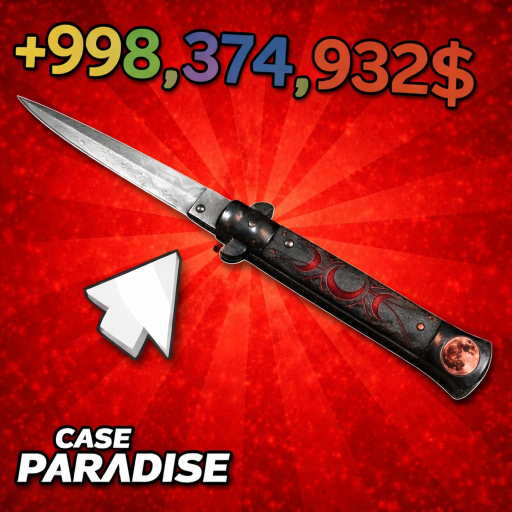
Case Paradise is a simulation game where players open virtual cases to collect weapon skins. The core gameplay loop revolves around acquiring in-game currency, using that currency to purchase virtual cases, and then opening those cases in the hopes of obtaining rare and valuable skins. These skins can then be used in simulated battles against other players, although the primary focus remains on the thrill of unboxing and collecting. The game does not involve real-world money or items, as explicitly stated by the developer. The appeal lies in the collecting aspect and the simulated gambling experience of hoping to obtain a valuable item. Updates are frequent, which means new skins and content are regularly introduced to keep players engaged. This type of game often attracts players who enjoy the element of chance and the customization options associated with weapon skins.
Safety & Risk Breakdown
Case Paradise has a Guardian Matrix Score of 65 due to several potential risks. The simulation of case opening and obtaining rare items can be enticing and encourages simulated gambling habits. While the game clearly states that no real money is involved, the psychological pull of loot boxes can be problematic for younger audiences. Additionally, the game potentially features a chat function where players can interact. Without robust moderation, this chat could expose children to inappropriate language, bullying, or even attempts at scams or grooming. Although the game may seem harmless on the surface, parents should be aware of these potential issues. The simulated violence involved in battling other players is mild, but it’s a factor that contributes to the game’s overall risk profile. Parental supervision and open communication about responsible gaming habits are recommended.
In-App Purchases & Monetization
While the description explicitly states that no real money or outside items are involved, the game likely utilizes in-app mechanics to drive engagement and progression. This could involve watching ads to earn more in-game currency or premium currency that can be earned in small amounts through regular gameplay. It’s possible, even probable, that the game offers ways to speed up progression or acquire specific items more easily. This can create a perceived pay-to-win dynamic, where players feel compelled to spend real money (via ads) to keep up with others. While not technically microtransactions, ads serve the same function. Even without direct purchases, the game’s design may encourage excessive screen time as players attempt to collect rare skins or build their virtual inventory. Parents should monitor their children’s playtime and ensure they understand the difference between virtual items and real-world value. Be vigilant about any ads that might link to external malicious sites.

![[🏖️UPD] Storage Hunters: Open World](https://ugcguardian.com/wp-content/uploads/2026/08/upd-storage-hunters-open-world-roblox-safety.png)

![[🌌UPD 7] Anime Dice](https://ugcguardian.com/wp-content/uploads/2026/10/upd-7-anime-dice-roblox-safety.png)