Guardian Matrix™
UGC Safety Intelligence
What is 🐙 Raft 101 Survival?
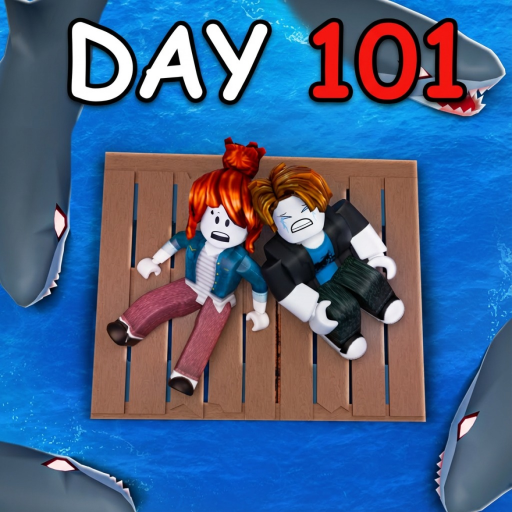
🐙 Raft 101 Survival is a user-generated content (UGC) game where players collaborate to build rafts and survive in a dangerous ocean environment for 101 days. Inspired by popular survival games like ’99 Nights in The Forest’ and ‘Dead Rails’, players must gather resources, construct their raft, and defend against lurking dangers in the sea. The core gameplay loop involves resource management, crafting, building, and social interaction with other players.
Players can team up with friends or strangers to create elaborate rafts, sharing resources and coordinating their defenses. The game emphasizes teamwork and strategic thinking, requiring players to adapt to the ever-changing conditions of the ocean. The promise of regular updates and bug fixes from The Experimental Games ensures a continually evolving experience.
Safety & Risk Breakdown
The Guardian Matrix Score of 68 reflects a moderate level of risk associated with 🐙 Raft 101 Survival. While the game itself doesn’t contain explicit violent content, the simulated survival environment introduces elements of conflict and potential danger. A significant risk factor stems from the game’s online multiplayer component. The presence of user-generated content and open chat creates the possibility of exposure to inappropriate language, harassment, or scams.
Parents should also be mindful of the potential for in-game trading scams, where players may attempt to deceive others for resources or items. Additionally, the game’s engaging nature can contribute to excessive screen time. While the developers are committed to bug fixes and updates, they do not explicitly mention moderation of chat content which is a notable concern for younger players. Close monitoring and parental guidance are advised to mitigate these risks.
In-App Purchases & Monetization
Information about the game’s in-app purchases and monetization strategies is not readily available from the provided description. However, as a UGC game with a survival theme, it’s reasonably likely to incorporate various forms of microtransactions. Common examples include cosmetic items to customize the raft or player character, resource packs to accelerate progress, or even premium passes that offer exclusive benefits or content. The absence of explicit details necessitates caution.
Parents should be aware of the potential for persuasive game design that encourages spending. Some games employ ‘pay-to-win’ mechanics, where purchasing items provides a significant advantage, disrupting the game’s balance. Vigilance is advised to manage children’s spending habits and ensure they fully understand the real-world costs associated with virtual purchases. Parents should consider setting spending limits or requiring pre-approval for any in-app transactions.