Guardian Matrix™
UGC Safety Intelligence
What is 🏙️ Mini City Tycoon?
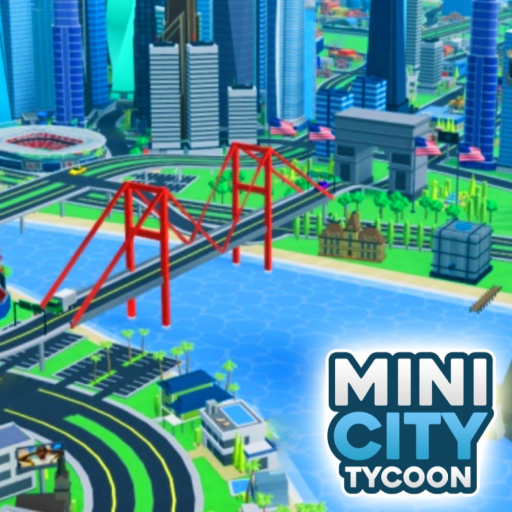
🏙️ Mini City Tycoon is a city-building simulation game where players can design and manage their own virtual metropolis. Starting with an empty map, players place roads, residential zones, commercial buildings, and industrial areas to create a thriving city. The core gameplay loop involves earning in-game currency by developing the city, which can then be used to unlock new buildings and expand the city’s infrastructure. Players can watch AI-controlled cars and NPCs navigate the city, adding a sense of realism and activity. The game also features the ability to visit other players’ cities and drive around in various vehicles.
Safety & Risk Breakdown
The Guardian Matrix Score for 🏙️ Mini City Tycoon is 78, reflecting a moderate level of safety for children. The game’s primary risk lies in the potential for interaction with other players through chat features, which may not always be adequately moderated. Although the game itself does not contain explicit violence or mature content, the risk of encountering inappropriate language or interactions from other users exists. Parents should be aware of this risk and supervise their children’s gameplay or disable chat features if available. The game doesn’t contain any trading or in-app purchase elements that create the risk of scams, or excessive screen-time, increasing the overall safety rating.
In-App Purchases & Monetization
💸 Mini City Tycoon features in-app purchases that primarily focus on accelerating progress or acquiring cosmetic items. The game offers a “10% cash boost” for joining the developer’s group, indicating a focus on community engagement alongside monetization. While the game does not appear to include loot boxes or pay-to-win mechanics, players may be tempted to spend money to unlock new buildings or acquire special vehicles faster. Parents should be mindful of this and discuss responsible spending habits with their children. The game’s monetization strategy appears to be relatively mild, but parental guidance is still recommended to ensure that children do not overspend or develop unhealthy spending habits.