Guardian Matrix™
UGC Safety Intelligence
What is ⛏️ Break a Lucky Block!?
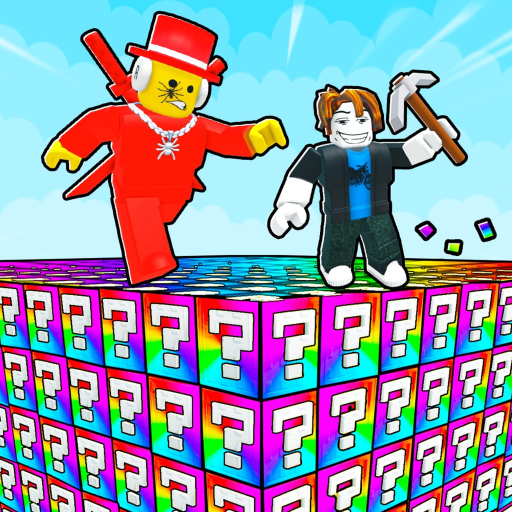
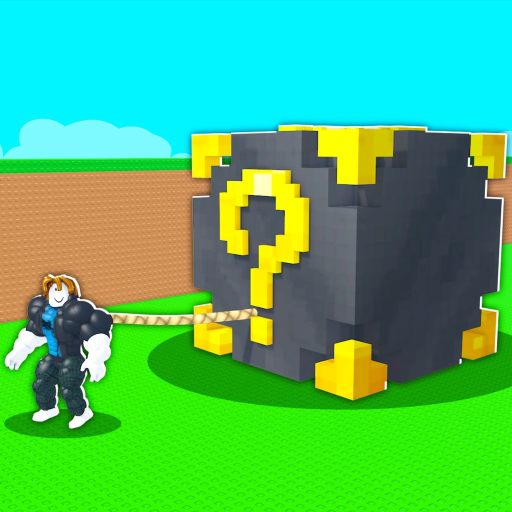
⛏️ Break a Lucky Block! is a game centered around breaking ‘Lucky Blocks’ and collecting resources. Players compete to break these blocks before other players, specifically an in-game character named Sammy. The primary objective involves collecting ‘brainrots’ that spawn after breaking the blocks and returning them to the player’s designated plot. This action rewards the player with in-game currency, which can likely be used for upgrades or other in-game advantages. The game loop appears to be simple and repetitive, focused on quick actions and resource collection within a competitive environment. The game also seems to encourage social interaction through the thumbs-up request, implying a community aspect.
Safety & Risk Breakdown
The Guardian Matrix Score of 68 reflects moderate concerns regarding potential risks. While the game appears to be relatively simple in its core mechanics, the competitive element of breaking blocks before others introduces a possibility of frustration or unhealthy rivalry. The ‘brainrots’ resource, while potentially innocuous, could be presented or perceived in a way that is not entirely suitable for all ages. The game’s description lacks detail regarding chat features or player interaction; the presence of unmoderated chat could expose children to inappropriate content or online predators. The repetitive nature of the gameplay might also contribute to excessive screen time, a concern for many parents. Absence of in-game reporting and blocking system could present risk of exploitation. Simulated Violence is likely minimal but exists.
In-App Purchases & Monetization
The description does not explicitly mention in-app purchases or monetization strategies, but the presence of in-game currency suggests that such systems may be implemented. It is possible that players can purchase boosts or advantages to break Lucky Blocks faster, collect more brainrots, or otherwise accelerate their progress. The absence of explicit mention raises concerns that the monetization strategies may be opaque or designed to encourage spending without clear communication. Loot boxes containing random items could be a potential element, incentivizing gambling-like behavior. Cosmetic items for characters are also possible. Parents should be vigilant about potential pressure to spend money and ensure that children understand the value of real money versus in-game currency. Premium passes with exclusive bonuses could create a pay-to-win dynamic and increase player exploitation.

![Build Anything! [🛠️]](https://ugcguardian.com/wp-content/uploads/2026/04/build-anything.png)